
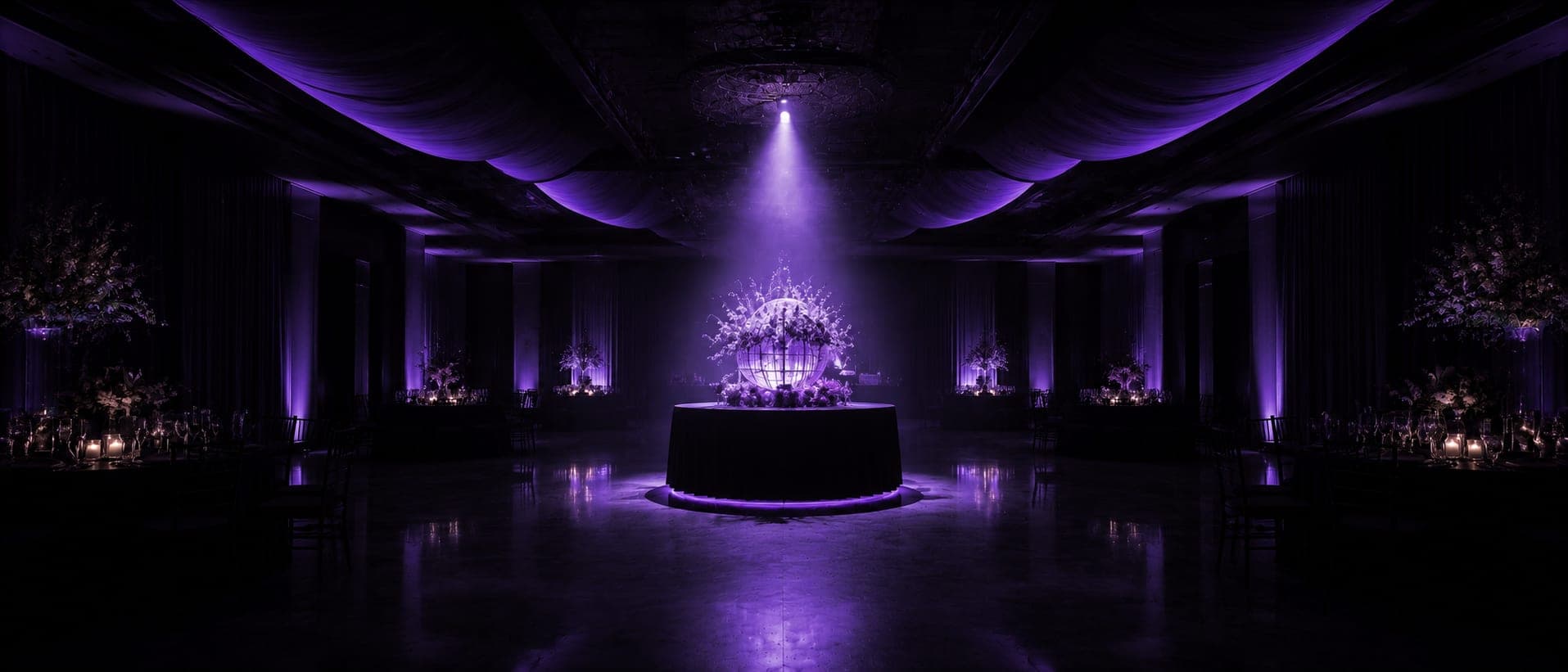
Any company reaching a round-number anniversary has something most corporate events don't start with: a real story, with milestones, people and specific decisions. The most common mistake is not using it — organising a generic gala with the word "anniversary" on the invitation, instead of building the event around that story.
The story as the backbone
A visual timeline, testimonials from people who have been with the company a long time, photographs from earlier eras, objects or milestones that only make sense to those who know the journey — all of this turns an anniversary into something irreplaceable, because no one else can replicate that specific story.
Putting people centre stage, not just the brand
The anniversaries people remember best tend to give space to the people who are part of that story — long-serving employees, founders, long-standing clients — instead of centring the whole speech on growth figures or abstract corporate milestones. A real anecdote from someone who was there on day one carries more weight than a slide showing revenue growth.
How much lead time it actually needs
A round-number anniversary — 10, 25, 50 years — needs more planning time than a standard corporate event, not because of venue logistics but because of the content. Tracking down photographs from earlier eras, reaching retired founders or former employees, and deciding which part of the story to tell takes weeks, not days. Starting six to nine months out, instead of the usual eight-to-ten-week runway of a standard event, is what makes it possible to build a narrative from real material instead of falling back on generic last-minute filler.
Recovering the company archive
Many companies don't have their history organised anywhere accessible: loose photographs on old hard drives, discontinued product catalogues, paper documents never digitised. Before designing the timeline or the event's decor, it's worth spending time gathering that material with help from whoever has been at the company longest — reception, admin staff, the founders themselves — because they're usually the ones who remember where things are stored that nobody else knows exist.
Avoiding a flat institutional tone
An anniversary doesn't have to sound like an institutional ceremony. The tone can be warm, even humorous, without losing rigour — in fact, it works better when it doesn't sound like a press release read aloud. The guest of honour's remarks, if there are any, land better when specific and personal rather than grandiose.
Choosing the format to match the scale of the milestone
Not every round-number anniversary calls for the same format. A tenth anniversary can work well as a cocktail evening or an afterwork event without losing impact; a 25th or 50th, on the other hand, tends to call for a dinner with a more carefully built programme, because the number itself already sets an expectation among attendees. The mistake runs in both directions equally often: staging an oversized gala for a minor milestone, or underplaying an anniversary the team had been looking forward to for a long time.
The commemorative detail
An anniversary gift or memento makes more sense when it connects to the company's own history than when it's a generic object stamped with the logo. A limited edition tied to a real milestone — an old product reissued, a publication telling the internal history, an object made using the same process that shaped the company — gets kept; a generic corporate gift gets forgotten in a drawer.
Inviting former employees and long-standing clients
Finding people who are no longer part of the company — retirees, former employees, clients from the early years — means updating contact details that haven't been used in years, and a personal invitation, by phone or letter, tends to land better than a mass email sent to an outdated list. Setting aside a specific moment for them in the programme, even a brief one, confirms their presence is a real part of the celebration and not just a symbolic gesture. Companies that skip this step often end up with a room full of current staff and none of the people who actually built the earlier chapters of the story being told on stage.
A well-planned anniversary doesn't need a gala budget to work. It needs the company's real story present in every decision of the event, from the speech to the decor.