
Some dates on the calendar already carry a recognisable imagery that can be used as a creative starting point for an event, without having to invent a concept from scratch. Not every company fits this approach equally well, and forcing it when it doesn't fit shows.
Autumn: festive themes that aren't the Christmas dinner
Between September and November there's room for events with their own seasonal hook — grape harvest themes, Central European autumn celebrations, seasonal food events — before December's symbolic weight arrives. They're an alternative to waiting for the one party of the year to have an event with a clear concept.
Case study
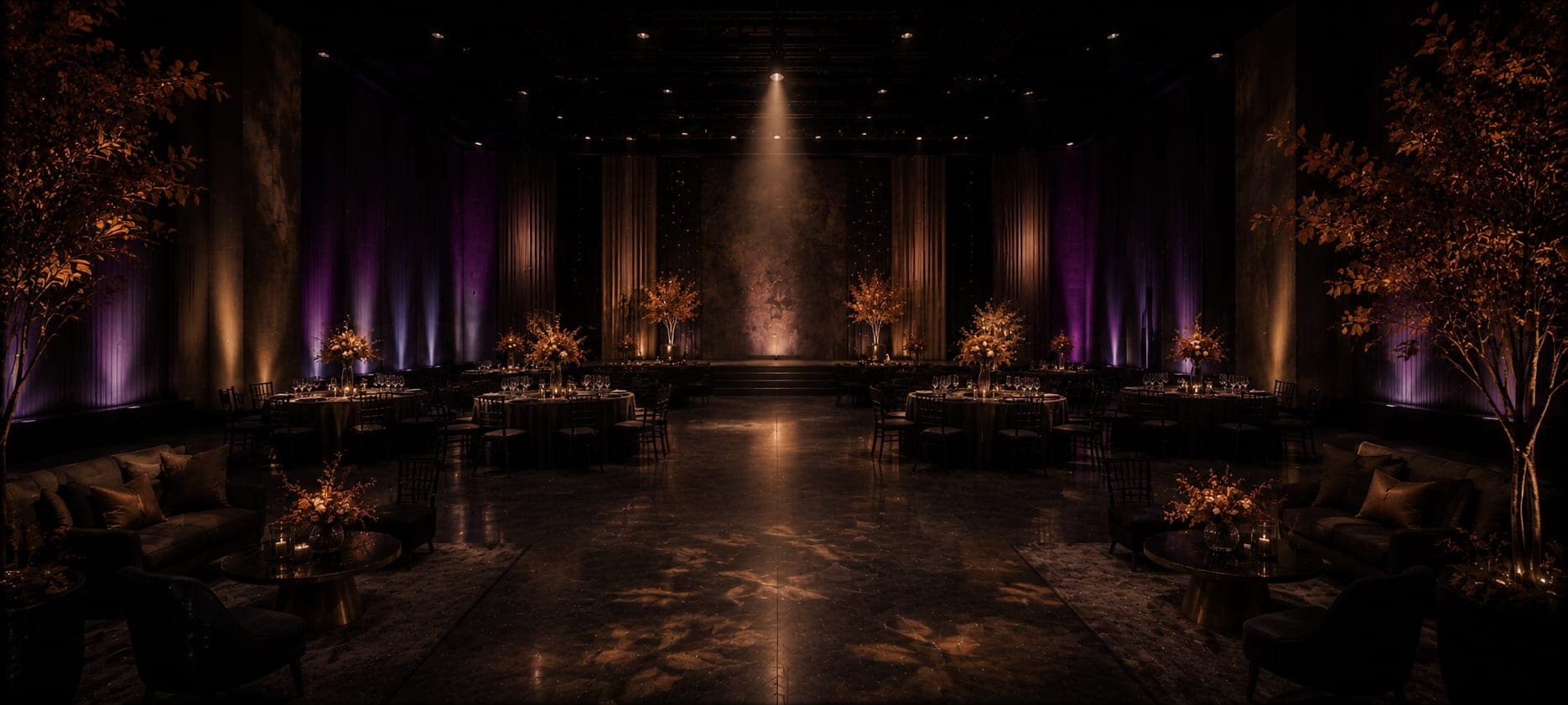
Allianz OktoberfestTeam building with an Oktoberfest concept for Allianz in Madrid — using a recognisable festive imagery without having to build it from scratch.
Summer: the natural moment for the no-agenda event
The summer period is the natural setting for the summer party and for outdoor activities that in other seasons would require more production to guarantee comfort. It's also the time of year with the most availability of outdoor venues and the least calendar pressure shared with the rest of the sector.
Case study
ADP Summer Party CubanA summer family day for ADP with a Cuban theme at Villa Bugatti, Barcelona — an example of how the season itself provides an imagery that carries the theme without forcing it.
Winter beyond the Christmas dinner
January tends to be left empty of events because all of December's energy goes into the Christmas dinner, but it's a useful moment for a start-of-year event — goal presentation, sales kick-off, celebrating the previous year's results — with a very different tone from the December party. Making use of that gap keeps the first quarter from starting without any team moment at all.
Spring: fiscal year-end and new projects
For many companies, March or April lines up with fiscal year-end or the start of new projects, which lends itself to results-celebration events or project-launch presentations that don't depend on any date from the festive calendar. It's a window with less competition for venues than autumn or summer, and with more available dates to choose from.
When it's not worth forcing a seasonal theme
If the company culture is formal and not given to fantasy, a very playful theme can feel forced and take away from the event's seriousness rather than add energy. The seasonal hook works as a resource, not an obligation — it needs to be assessed for fit before applying it by default.
September: the corporate back-to-school moment
For many companies, the return from the summer break in September feels like the real start of the year, more than January does. A team reunion event in the first weeks of September — before the workload of the last four months of the year picks up — taps into a 'we're back' energy that doesn't repeat at any other point on the calendar, and works as an informal starting point for the rest of the year's goals.
Summer: team availability shifts too, not just venues
Beyond venue availability, summer also changes who on the team can actually attend — staggered holidays, reduced headcount in certain weeks. Choosing a date in July or September rather than August usually guarantees better real turnout, even within the same summer window.
Coordinating the calendar across offices in different countries
A company with teams in different countries can't apply the same seasonal calendar to every office equally — bank holidays, local festivities, and even how a given date is perceived all change from one country to another. Confirming each office's local holiday calendar before fixing the date of a seasonally themed event avoids clashing with a local holiday or a low-availability period at one of the offices involved.
Book ahead for the highest-demand dates
The seasonal windows with the most appeal — October-November and summer itself — are also the ones with the highest demand for venues and suppliers, which calls for booking further ahead than usual. Leaving the date decision until the last moment within these specific windows usually translates into fewer venue options and suppliers with less availability than needed.
Making the most of the calendar doesn't mean organising a different event for every notable date. It means recognising the two or three windows in the year where a seasonal hook genuinely adds something, and leaving the rest of the calendar free of forced themes.