
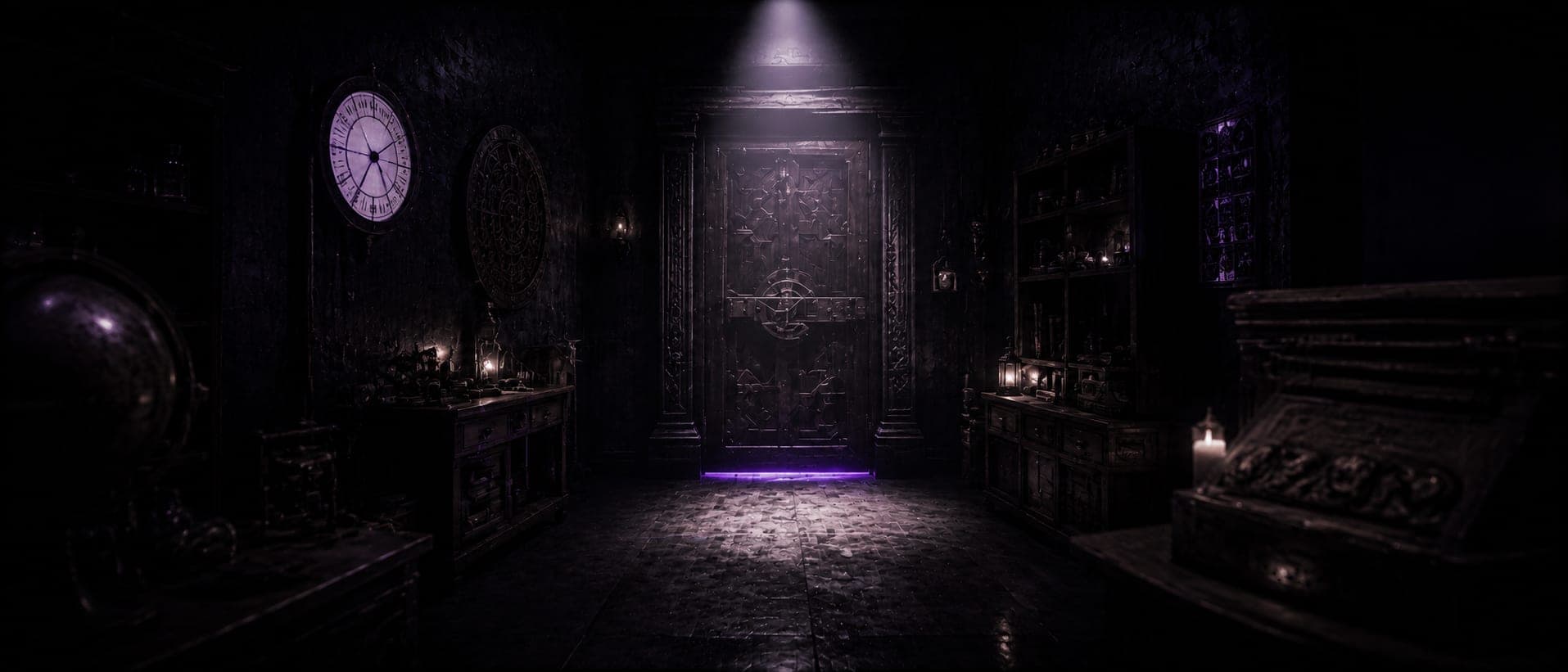
The escape room has become one of the most requested team building activities, and for good reason: it combines problem-solving, time pressure and teamwork in a compact sixty-minute format. But not every group, and not every objective, fits this format equally well.
Choosing the right style of room for a corporate group
Escape rooms range from pure logic-and-puzzle formats to horror-themed rooms built around jump scares and physical tension. A horror room that works well for a group of friends looking for a thrill can alienate part of a corporate group who came for a team activity, not a fright. For a mixed corporate audience, a puzzle-driven room without horror elements is the safer default — it keeps the focus on collaboration rather than on who's comfortable with being startled in the dark.
Group size is the critical variable
An escape room designed for six to eight people doesn't scale well to groups of forty. The usual solution — parallel simultaneous rooms, or an expanded version designed specifically for large groups — changes the dynamic considerably compared with the original room built for small leisure groups.
What an escape room actually measures
Contrary to common perception, an escape room doesn't measure individual intelligence. It measures whether the group distributes tasks quickly, whether it listens to everyone's ideas before dismissing them, and whether someone naturally steps into a leadership role when needed. A short debrief after the room, discussing what team patterns showed up, multiplies the value of the experience compared with heading straight out to lunch.
What a typical price includes
Corporate escape room pricing usually runs between 25 and 40 euros per person for a standard room with a shared facilitator, though large-group or bespoke formats can run higher. What's often left out of the initial quote is the debrief session, transport between office and venue for groups without their own logistics, and any catering add-on before or after the activity. Asking for a breakdown of what's included, rather than a single per-person figure, avoids a surprise on the final invoice.
In person or virtual format
Virtual escape room versions have improved a lot, and they work reasonably well for geographically distributed teams. But the physical tension of being together in a real room with a visible timer is part of what makes the format effective — the virtual version is a valid alternative when there's no in-person option, not an equivalent substitute.
Customising the content
A generic escape room works, but a version with puzzles adapted to the company's business — internal references, a storyline tied to the sector — creates far more lasting memory of the event than a standard catalogue room. Not every supplier offers real customisation, and it's worth asking about it explicitly before booking, because the difference in experience between the two versions is significant. Developing a bespoke room usually takes several weeks, which is worth factoring in when planning the event date.
Pairing it with another activity
An escape room alone runs sixty to ninety minutes, which rarely fills a half-day agenda on its own. Pairing it with a working lunch, a short talk, or a second lighter activity afterwards is the usual way companies build a full half-day or full-day event around it. Scheduling the escape room early in the day, while energy is still high, generally works better than placing it right after a heavy lunch.
When an escape room isn't the right choice
Groups larger than sixty people, even split across parallel rooms, start to lose the intimacy that makes the format effective — coordinating logistics for that many simultaneous rooms often costs more attention than it's worth. Teams that already work together closely and know each other well get less out of the icebreaker effect that makes escape rooms valuable for less familiar groups. And when the actual objective is a deep strategic conversation rather than a quick team exercise, a facilitated workshop delivers more than an hour spent solving physical puzzles. In those cases, it's worth telling the supplier the real objective up front, rather than defaulting to the most popular activity on the catalogue.
A well-chosen escape room for the right group generates more team conversation in sixty minutes than many full-day team building activities.