
Applying the same team-building logic to an eight-person management committee as to a two-hundred-person workforce usually produces the same result: a feeling of wasting time on an activity that isn't up to the group's level. A leadership team needs a different approach, not a scaled-down version of the same format.
It doesn't need big production, it needs the right venue
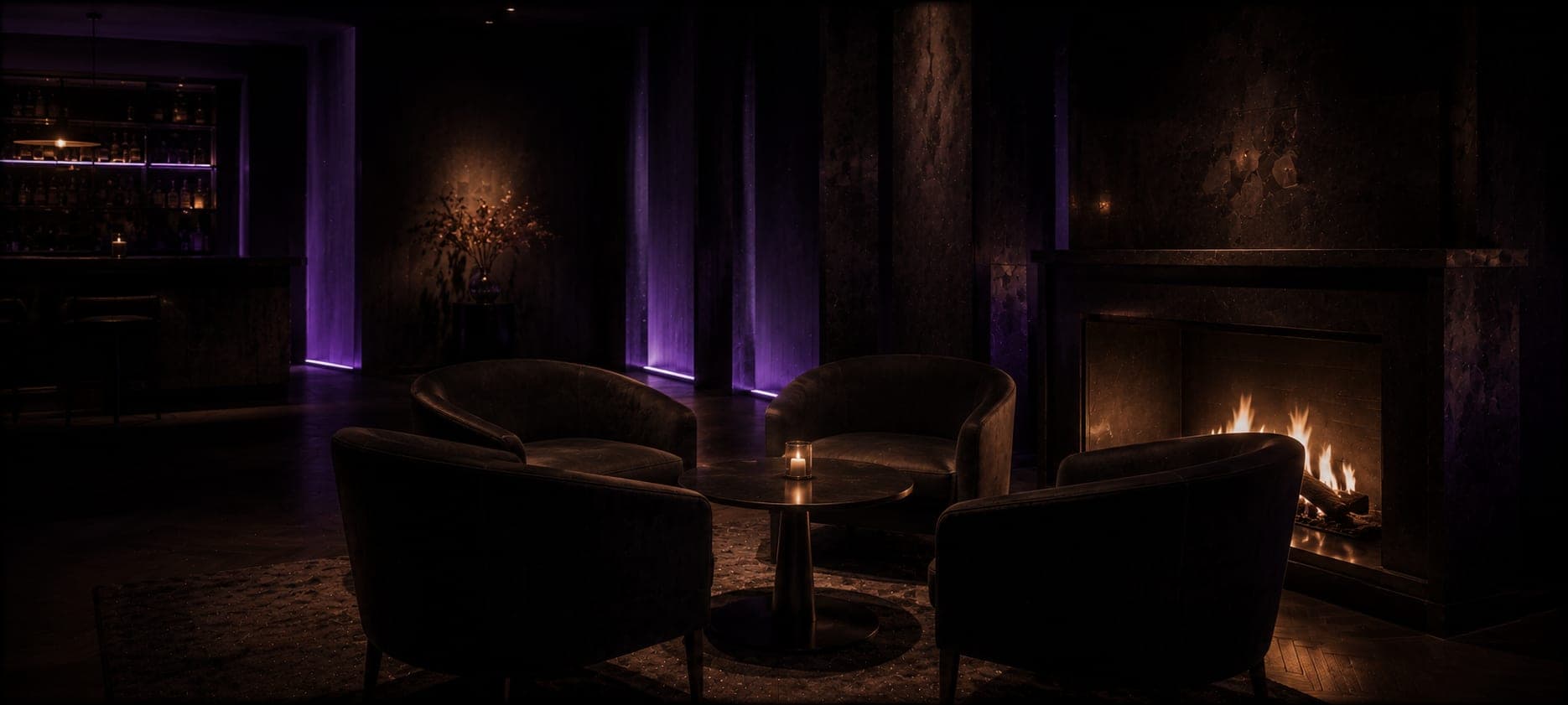
A leadership team doesn't need a big production for team building to work — it needs a venue that makes conversation easy and takes the group out of its usual office routine. A country house with good food and a spacious dining area for lingering after the meal can generate more value than a large-capacity hotel built for big groups. Budget matters less here than getting the choice of venue right.
Small groups, deeper activities
With six to twelve people, there's room for longer, deeper conversation-based activities than with a large group — from strategic reflection retreats to experiential learning formats with less playful content and more real substance.
Less infantilising, more genuine challenge
Costume scavenger hunts or challenges designed for young groups tend to generate more discomfort than cohesion in a management committee. Activities with a genuine challenge component — a demanding physical expedition, solving a complex case, actually learning a new skill — work better than the standard playful activity.
Room for informal conversation, not just activity
For leadership teams, a good part of the real value of team building happens at the edges of the activity — a long dinner, a shared journey, time with no agenda — not only during the scheduled activity. Deliberately leaving room for that informal conversation, rather than filling every minute with programme, tends to generate more cohesion than a packed agenda.
Measuring the result differently
For a large workforce, the success of team building is measured partly by participation levels and the average score on a follow-up survey. For a management committee, that metric doesn't work — the result is measured by whether an honest conversation happened that normally doesn't happen day to day, and whether the group leaves with more clarity on a specific issue than they had before the activity.
Different duration and frequency than a large workforce
A leadership team benefits more from a one- or two-day format, with enough time for the conversation to relax, than from the single, compact day typical of large-workforce events. As for frequency, once or twice a year is usually enough — more than that starts competing with the time the committee needs for actual operational work.
Should the CEO take part as just another participant?
The presence of the most senior person in the room changes the group's dynamic, for better or worse depending on how it's handled. If they take part in the activities like everyone else, without acting as the boss for the day, it usually makes it easier for the rest of the committee to open up naturally. If instead they hold a visibly authoritative position throughout, the rest of the group tends to self-censor in the more informal conversations — which are exactly the ones that add the most value in this format.
Confidentiality: a requirement, not an extra
The conversations that come up during leadership team building often touch on sensitive topics — restructuring, results, decisions not yet communicated to the rest of the company. Choosing a private venue, with no other groups nearby, and making explicit that what's discussed in the activity stays there isn't a protocol detail — it's what allows the conversation to be genuinely honest rather than an edited version for external consumption.
Choose the external facilitator carefully, if there is one
When the activity includes an external facilitator, their ability to generate honest conversation among senior profiles matters more than their CV. A facilitator with specific experience working with management committees knows when to step in and when to let the conversation flow without structure — a different skill from running an activity for a large, mixed group.
Team building for a leadership team doesn't need to look more serious to work. It needs to respect that this is a small group with its own judgement, motivated by different things than a two-hundred-person workforce.