
Team building is the type of corporate event where there is the most risk of confusing format with objective. An activity that is entertaining is not necessarily good team building. A team that has spent an afternoon together has not necessarily developed more cohesion. The choice of format has to start from what you want to achieve, not from what is fashionable.
What team building is for
Team building objectives tend to fall into one of these categories: cohesion between people who do not know each other — new teams, mergers, mass onboarding — work on a specific competency — communication, decision-making under pressure, cross-departmental collaboration — or team celebration and recognition. Each objective has formats that are more or less appropriate.
Team building formats in Barcelona
In Barcelona and its metropolitan area, the most common formats are:
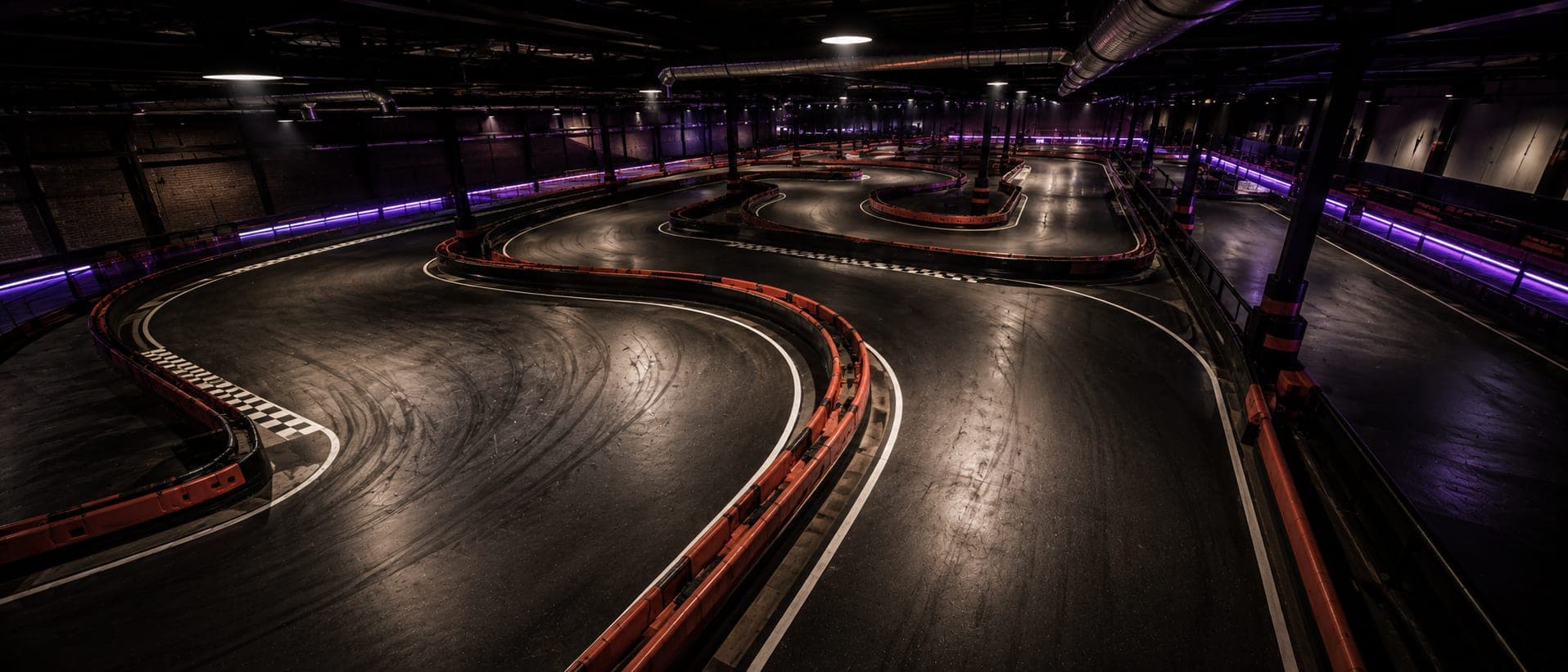
- Outdoor activities: hiking, sailing, karting, beach or park Olympics
- Culinary activities: cooking workshops, wine tastings, food pairings
- Escape rooms and problem-solving dynamics
- Creative activities: photography, ceramics, painting
- Competitive formats with production elements: urban scavenger hunts, team challenges
- Training workshops with experiential components (first aid, non-verbal communication)
Why culinary formats work well for large groups
Culinary formats — live cooking, team-based cooking workshops, wine pairings — have an operational advantage: they let large groups split into small teams without losing the thread of the activity, and they end naturally in a shared meal that works as a closing moment. They work particularly well for teams with very different physical profiles, since they do not require physical fitness and allow anyone to take part regardless of age.
Case study
Isdin Team Building MasterChefA MasterChef-style culinary team building for the Isdin team at Masia d'Esplugues, with team cook-offs and a final judging panel.
Outdoor or indoor
Barcelona's climate allows outdoor activities for much of the year. The drawback is weather unpredictability in spring and autumn. Any outdoor activity needs a back-up plan, however minimal. Indoors, the advantage is control over the environment, but the available space significantly limits the type of activity possible.
Case study
Fluendo KartingA team building day with karting for the Fluendo team at the Circuit de Catalunya.
How long it should last
A half-day team building — between three and four hours — is sufficient for most objectives. Full-day formats work well when a meal is part of the activity or when the team is away from the office. Two-day formats with overnight stay are the most intensive and generate the most impact, but require more logistical coordination and budget.
Group size and internal dynamics
Group size determines which formats are viable. For small groups — up to 20 people — almost any activity works. For groups of 50 to 200, the activity needs to allow division into sub-teams while maintaining overall cohesion. For groups of more than 200, the production starts to resemble a conventional event with an activity incorporated.
Budget per person
Team building costs vary widely by format. Simple outdoor activities — Olympics, scavenger hunts — typically run between 40 and 70 euros per person, including materials and facilitators. Culinary formats with live cooking or wine pairing move into a 60 to 100 euro range per person. Formats with more elaborate production — karting, sailing, activities that include transport — can exceed 120 euros per person. Budget also depends on group size: the larger the group, the lower the cost per head, because fixed coordination costs are spread across more attendees.
Common mistakes when planning a team building
The most frequent mistake is choosing the activity before defining the objective, which leads to visually appealing formats with no connection to what the team actually needs to work on. The second mistake is not adapting the activity to the group's physical profile: proposing a physically demanding activity to a team with very different ages or conditions creates exclusion rather than cohesion. The third mistake is not leaving real downtime within the programme: stacking activity, meal, and return to the office with no margin reduces the impact, because there is no room for the informal conversations where colleague relationships are actually built.
How to assess whether it worked
Few teams measure the impact of a team building systematically. The most common approach is a qualitative assessment: whether the team came back with energy, whether the activity was talked about for the days that followed, whether it generated conversations between people who did not usually interact. A formal survey is not needed to know whether a team building served its purpose.